

 Myopia management
 Dry Eye Treatment

Scleral Lenses vs. Soft Contacts: The Best Option for Irregular Corneas in Leander and Cedar Park
Blog:Scleral Lenses vs. Soft Contacts: The Best Option for Irregular Corneas in Leander and Cedar Park
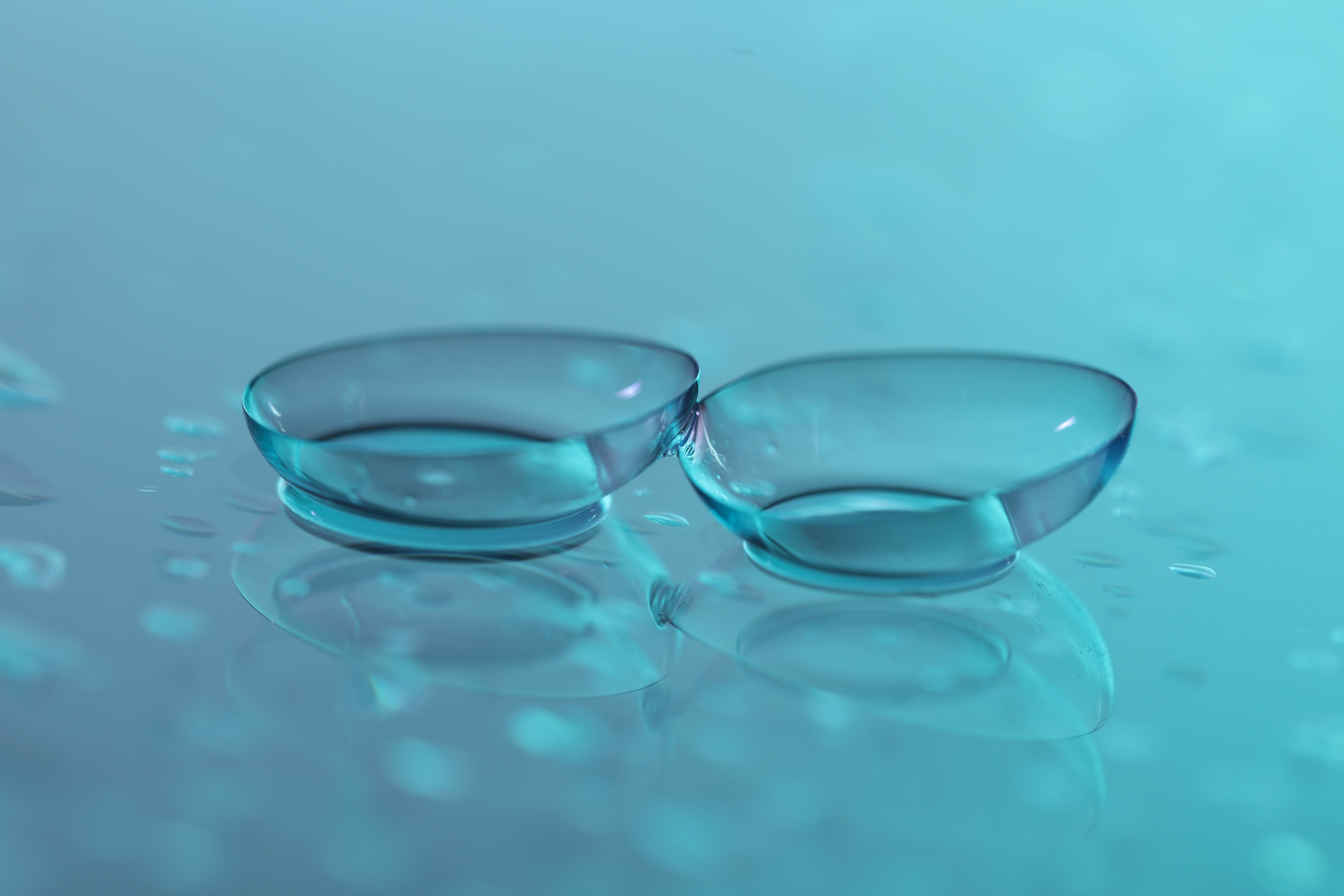
Scleral Lenses vs. Soft Contacts: The Best Option for Irregular Corneas in Leander and Cedar Park
If you have an irregular cornea, standard soft contact lenses may not provide the clear, stable vision you expect. Conditions that change the shape of the cornea can make it harder for a conventional lens to sit evenly on the eye, sometimes leading to blurry vision, shifting lenses, or discomfort.
At Texas State Optical Cedar Park, we provide specialty contact lens care for patients throughout Cedar Park and Leander. For many people with irregular corneas, scleral lenses offer an alternative when traditional soft contacts are no longer providing satisfactory vision or comfort.
Why Are Irregular Corneas Difficult to Correct?
The cornea is the clear front surface of the eye and plays an important role in focusing light. Ideally, it has a smooth, regular shape. When the surface becomes irregular, light may enter the eye unevenly and create distorted or fluctuating vision.
Irregular corneas can occur with conditions such as keratoconus, corneal scarring, or changes following certain eye procedures.
Glasses may help some patients, but more significant irregularity can be difficult to fully correct with standard eyewear or conventional contact lenses.
How Do Soft Contact Lenses Work?
Soft contacts are designed to rest directly on the cornea and conform closely to its shape. They work very well for many common prescriptions, including nearsightedness, farsightedness, and regular astigmatism.
Their flexible design also makes them comfortable and easy to adapt to for many patients.
However, that same flexibility can be a limitation when the cornea is irregular. Because the lens follows the underlying corneal shape, it may not completely neutralize more complex surface irregularities.
Signs that standard soft contacts may not be meeting your needs include:
Vision that remains blurry despite prescription changes
Fluctuating clarity throughout the day
Lenses that shift or feel unstable
Glare, halos, or distorted vision
Difficulty achieving sharp vision with glasses or standard contacts
Contact lens discomfort related to an irregular corneal surface
How Are Scleral Lenses Different?
Scleral lenses are larger rigid gas permeable lenses that vault over the cornea rather than resting directly on it. The edges of the lens rest on the sclera, which is the white portion of the eye.
Before insertion, the space between the lens and cornea is filled with sterile preservative-free saline. This creates a smooth optical surface over the irregular cornea.
Because the lens does not have to match every contour of the cornea, it can provide more stable vision for patients whose corneal shape makes conventional contacts difficult to wear.
Are Scleral Lenses More Comfortable?
They can be surprisingly comfortable despite being larger than standard contacts.
Because scleral lenses rest on the less-sensitive white portion of the eye instead of directly on the cornea, many patients adapt well to them. The fluid reservoir beneath the lens also keeps the corneal surface continuously bathed in moisture while the lens is worn.
This feature can be especially helpful for patients who have irregular corneas along with dry eye symptoms.
Which Contact Lens Is Better for You?
There is no single contact lens that is best for every irregular cornea. The right choice depends on your corneal shape, prescription, eye health, comfort, and the quality of vision you can achieve with each lens design.
Some Cedar Park and Leander patients with mild irregularity may still do well with conventional lenses. Others may benefit significantly from scleral lenses when soft contacts cannot provide stable correction.
A specialty contact lens fitting allows us to evaluate your cornea and determine which design is most appropriate. Scleral lenses require precise measurements and follow-up visits so the fit, vision, and health of the eye can be carefully monitored.
If an irregular cornea is making glasses or standard contacts frustrating, schedule a specialty contact lens evaluation with Texas State Optical Cedar Park at 401 W. Whitestone Blvd., Bldg B200, Cedar Park, TX 78613 by calling (512) 583-0861. We proudly serve patients from Cedar Park and Leander and can determine whether scleral lenses may provide the clearer, more stable vision you have been looking for.
Quick Links
Helpful Articles
article_category: products
article_category: psychiatry
article_category: faqs
article_category: cats
article_category: general
article_category: services
article_category: technology
article_category: dogs
article_category: restorative
article_category: vision therapy
article_category: contact lenses
article_category: health
article_category: conditions
article_category: eye surgery co-management
article_category: exotic
article_category: cosmetic
article_category: surgical procedures
article_category: aesthetics
article_category: preventative
article_category: ocular disease management
article_category: eyeglasses
article_category: eye health
article_category: large animal
[]
article_category: psychiatry
article_category: faqs
article_category: cats
article_category: general
article_category: services
article_category: technology
article_category: dogs
article_category: restorative
article_category: vision therapy
article_category: contact lenses
article_category: health
article_category: conditions
article_category: eye surgery co-management
article_category: exotic
article_category: cosmetic
article_category: surgical procedures
article_category: aesthetics
article_category: preventative
article_category: ocular disease management
article_category: eyeglasses
article_category: eye health
article_category: large animal
[]
Flowbite is an open-source library of interactive components built on top of Tailwind CSS including buttons, dropdowns, modals, navbars, and more.
Check out this guide to learn how to get started and start developing websites even faster with components on top of Tailwind CSS.

All Eyecare Services
We offer a wide variety of eye care services to the Cedar Park community. Contact us with any questions about our services.

Keep In Touch
For non-urgent questions or to learn more about our services, contact us today!

Contact Information
Office Hours
- Monday 9:00 AM - 6:00 PM
- Tuesday 9:00 AM - 6:00 PM
- Wednesday 9:00 AM - 6:00 PM
- Thursday 9:00 AM - 6:00 PM
- Friday 9:00 AM - 2:00 PM
- Saturday Open on 1st and 3rd Saturdays
- Sunday Closed
- Monday
- Tuesday
- Wednesday
- Thursday
- Friday
- Saturday
- Sunday
- Monday
- Tuesday
- Wednesday
- Thursday
- Friday
- Saturday
- Sunday
© 2026 Texas State Optical. All rights Reserved - Accessibility Statement - Privacy Policy - Sitemap
Managed and Designed by 